While all VMCs are CNC machines, not all CNC machines are VMCs. The primary difference lies in the orientation of the spindle. CNC encompasses a broader range of machining tools and techniques, whereas VMC specifically refers to machines with a vertical spindle orientation.
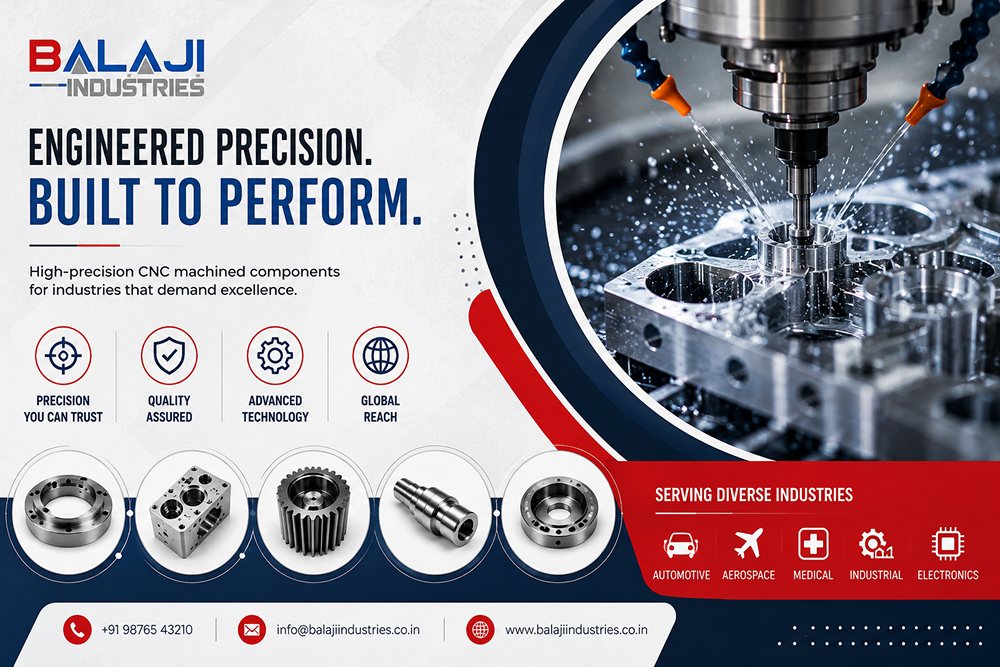
CNC and VMC Machined Components are integral to modern manufacturing due to their precision, consistency, and ability to produce complex geometries. They are used in creating parts for automotive, aerospace, medical devices, electronics, and many other industries, ensuring high-quality and reliable products.
Consist of several key components, including the control panel, drive system, spindle, and worktable. Each component plays a vital role in ensuring precise and efficient machining operations.
Share many components with CNC machines but are characterized by their vertical spindle. This spindle orientation allows for more versatile machining operations, including milling, drilling, and boring.
Commonly Machined Metals: CNC and VMC machines are capable of machining a wide range of metals, including aluminum, steel, titanium, and brass. Each metal offers unique properties, making them suitable for different applications.
Non-Metallic Materials: In addition to metals, CNC and VMC machines can also work with non-metallic materials such as plastics, composites, and ceramics. These materials are used in various industries for their specific properties and benefits.
Material Selection Criteria: Selecting the right material for machining involves considering factors such as mechanical properties, machinability, cost, and application requirements. The choice of material significantly impacts the performance and quality of the final component.
High-precision parts like engine components, transmission gears, and custom car parts are reliably manufactured.
Complex geometries and lightweight structural parts that meet rigorous safety and tolerance standards.
Surgical tools, orthopedics, and other medical equipment require exact specifications and biocompatible materials.
Intricate components like heat sinks, enclosures, and circuit board bases.
From oil and gas to renewable energy, custom CNC & VMC parts are critical to specialized operations.
In conclusion, CNC and VMC Machined Components are indispensable in modern manufacturing, providing unparalleled precision, efficiency, and versatility. Understanding the fundamentals of these machining processes, from their historical evolution to their core components and working principles, is essential for anyone involved in manufacturing. The ability to select appropriate materials, design for manufacturability, and maintain rigorous quality control ensures the production of high-quality, reliable components.